

01
No Interaction
Audiences could only watch. There was no way to participate or feel connected beyond physically being there.
Transforming a nationwide university sports event into an interactive digital experience — combining gamification, NFT rewards, and real-world participation.
A nationwide event transformed into a live digital platform.

Platform success attracted major sponsorship — validating the digital engagement model at national scale.












































I led the mission from concept to execution — bridging business strategy, product direction, and experience design across all phases of the project.
UX/UI execution was delivered through the design team under my direction — not as pixel-level design work by me.
The event happened in one place.
But the audience was everywhere.

The existing event experience ended at the venue. Audiences had limited ways to participate, return, or stay connected after the games.
Audiences could only watch. There was no way to participate or feel connected beyond physically being there.

Nothing encouraged people to return, engage repeatedly, or share the experience with their networks.

Once the event ended, nothing remained — no collectibles, no records, and no lasting digital connection.
That's where EchoX came in.
As a technology sponsor for Thammasat Games 2025, we built the digital layer the event didn't have — a platform that let every student, wherever they were in Thailand, follow the games, vote for their university, and walk away with something to remember it by.
สามกลุ่มคนที่ platform ต้องรับใช้ให้ได้ทั้งหมด — แต่ละคนมีบริบท ความต้องการ และ pain point ที่แตกต่างกันอย่างชัดเจน

User · กองเชียร์ออนไลน์
นี่คือ majority จริงๆ — platform ที่ปลดล็อค distance barrier ได้คือ platform ที่ scale ระดับประเทศได้จริง

User · นักกีฬาตัวแทน
นักกีฬาคือ organic content creator ตัวจริงของงาน — ถ้า platform ช่วยให้เขาแชร์ได้ง่าย เขาจะ reach ไปถึงเพื่อนในมหาลัยทุกคนเอง

Stakeholder · ผู้จัดงาน
Stakeholder ไม่ได้ต้องการ "เว็บสวย" — เขาต้องการ numbers ที่เอาไปรายงานและ justify sponsorship ต่อได้
Three product decisions that shaped the engagement model — each grounded in clarity, motivation, and simplicity.
Made participation — not consumption — the primary interaction. Every vote creates data, drives emotional investment in outcomes, and is repeatable without friction.
Thammasat Games happens once a year — and this edition was the 50th. We wanted every student who voted to walk away with something that marked the moment: a digital collectible, unique to this event, redeemable for a physical prize at the venue.
Voting without feedback disappears. We added a coin reward to every vote — a small, immediate signal that your action mattered. Coins accumulate toward a collectible, giving students a reason to return each day of the 10-day event rather than vote once and leave.
From first visit to digital ownership — the complete journey from participation to reward.


Defined feature scope and site architecture before any design work began — ensuring a complete experience without overbuilding.

Information architecture structured from the homepage, reflecting real navigation hierarchy.
Before any visual design began, the platform's layout logic and interaction patterns were mapped in low-fidelity wireframes — establishing content hierarchy, flow, and page structure across desktop and mobile breakpoints.
TU Sport is primarily an event information website. At its center are three interactive mechanics — voting, coin collection, and NFT redemption — designed to turn passive visitors into active, returning participants.


Beyond the three core mechanics, TU Sport is a full event information hub — homepage, sport directories, news, voting, and more. These pages complete the experience.
Home
Live rankings, highlighted matches, and voting shortcuts — all surfaced on arrival, so users never miss a moment of the action.


Sports
Browse over 40 sport categories, access team rosters, real-time standings, and category-specific schedules from a single directory.


Voting
A streamlined interface lets fans show support for their team with a single interaction — no complex flow, no unnecessary barriers.


News
Match highlights, schedule changes, and live event news published in real time — keeping everyone informed from opening to closing ceremony.


Event Map
An interactive campus map shows each sport venue and key facility, so participants and spectators can navigate the grounds with confidence.


Information Architecture
A full site map defining the navigational hierarchy, page groupings, and content flow across the entire event platform.


A digital collectible for every voter — proof that you were part of Thammasat Games 2025. Sport-specific, unique to this event, and redeemable for a physical prize at the booth.

Sport-specific collectibles · Event exclusive · Redeemable for real prizes
.png)

.png)

.png)


.png)

.png)
.png)
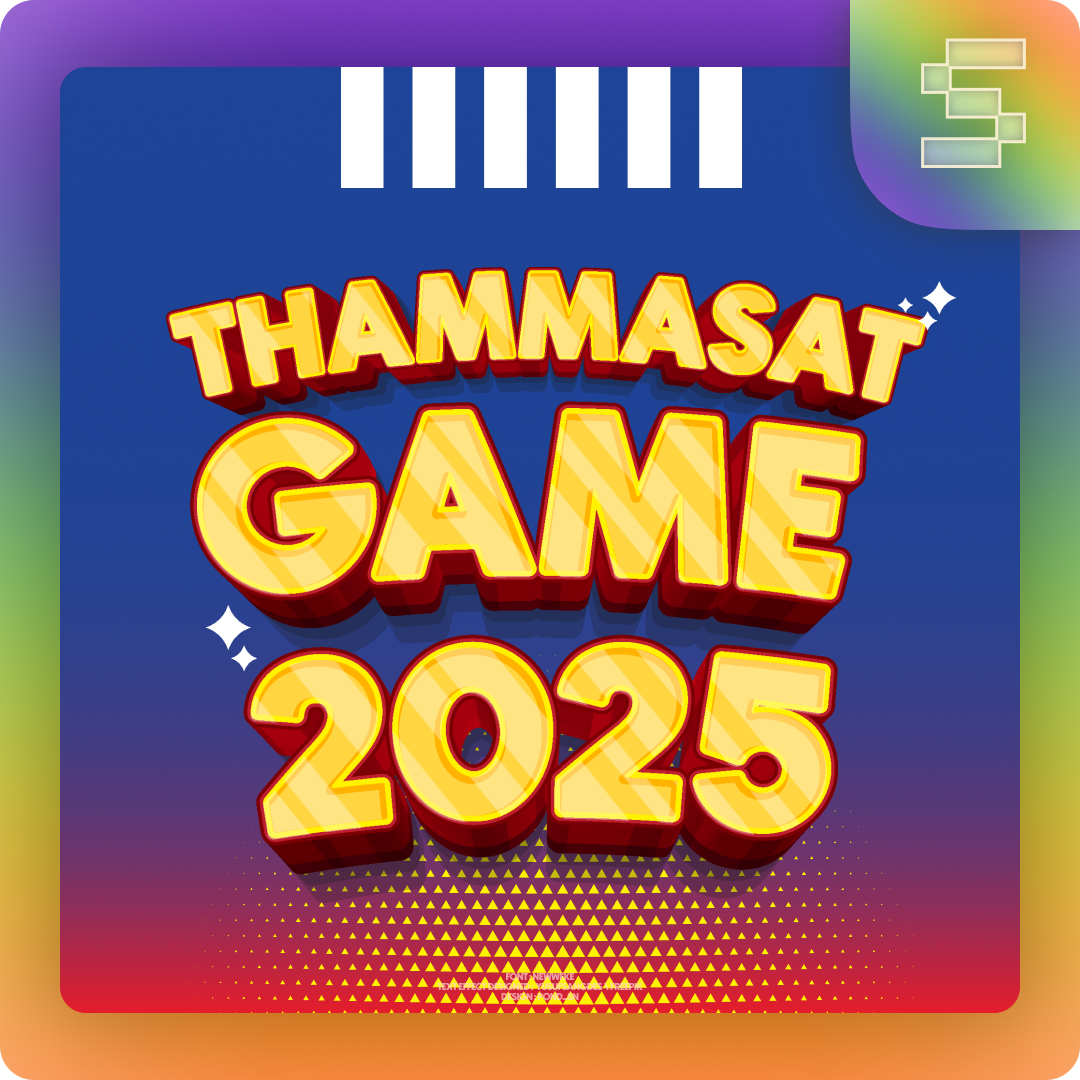
A playful, high-energy visual system — consistent across platform, campaign, and physical touchpoints.


The platform launched live across a 10-day national event — and the numbers proved the model worked.

Cast across 37 sport categories over 10 days — every vote tied to a real university competing in the games.
Students from 110+ universities registered and voted for their teams — from campuses across Thailand, not just those who made the trip.
Visits peaked on competition days, driven by students checking live rankings and casting their daily votes.


Engagement matters more than visual perfection — getting people to act is the real design challenge.
Real-world constraints shape better product decisions — tight deadlines force clarity and cut scope to what truly matters.
Gamification works best when it is simple and rewarding — complexity kills adoption, especially at live events.
Strong alignment between business, product, and UX is critical — misalignment at any layer cascades into every decision.
